
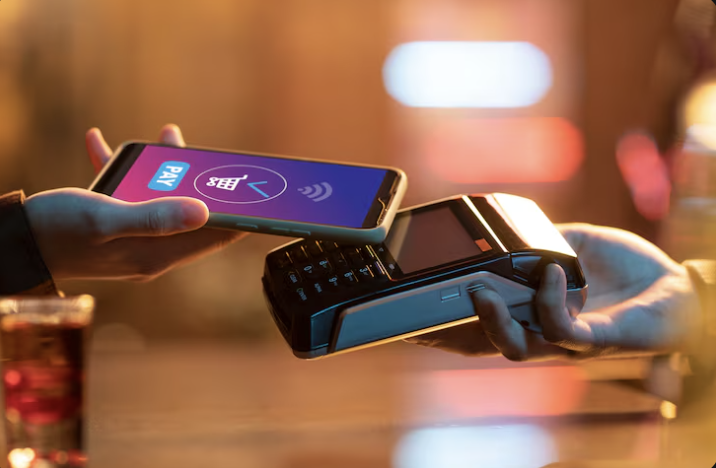
Remember the panic of realizing you left your wallet at home after eating a full plate of chole bhature? Or fighting with the auto-wala because neither of you had ₹4 in exact change? It sounds almost like ancient history now.
In 2026, the way we handle money in India has fundamentally shifted. It’s not just about flashy tech; it’s about practical, everyday convenience. Whether you are buying a ₹10 cutting chai at a tapri in Mumbai or sending money to parents back in a Tier-3 town, digital payments have quietly solved some of our biggest daily frustrations.
Pehle jo kaam ghanto leta tha, aaj wo seconds mein ho raha hai. Let’s break down the real, on-ground impact of how digital payments—specifically UPI and its new features—are actually making life smoother for the average Indian user.
The Problem: The High Cost of Dealing with Cash
Before the massive digital payment wave hit us, cash was king, but the “king” was incredibly high-maintenance.
We wasted so much time. Standing in long ATM queues under the hot sun just to withdraw our own hard-earned money. Running around trying to find an open bank branch before 4 PM to deposit a cheque. And the biggest headache of all: exact change. The number of times we had to buy a random packet of mints just because the shopkeeper didn’t have ₹5 to return is uncountable.
Cash meant friction. It meant delayed payments, higher risks of theft, and zero record-keeping unless you painstakingly wrote everything down in a diary. We needed a system that worked at our speed.
Main Ways Digital Payments Are Saving Our Time and Sanity
The transition hasn’t just been about ditching physical notes. The ecosystem in 2026 has matured to solve highly specific Indian problems.
1. Instant Peer-to-Peer (P2P) Transfers
This is the absolute game-changer. Splitting the bill at a restaurant used to be a mathematical nightmare followed by “I’ll pay you back tomorrow.” Now? You scan, you type the pin, and the debt is settled before you even leave the table.
Sending money to family in another state used to involve NEFT forms and waiting periods. Today, a student studying in Delhi gets her monthly allowance instantly from her parents in a small village in Odisha. Koi bank holidays ka tension nahi, koi waiting time nahi.
2. Auto-Pay for the Forgetful Soul
Electricity bills, OTT subscriptions, SIPs, and mobile recharges—keeping track of due dates is exhausting. The UPI AutoPay feature has essentially automated our financial chores. You set the mandate once, and the money gets deducted automatically right on time. No more late fees, no more last-minute panic when the WiFi suddenly stops working because you forgot to pay the broadband bill.
3. Credit Line on UPI (CLOU) – Credit Without the Plastic
This is one of the most significant upgrades in 2026. You no longer need to carry a physical credit card to manage your cash flow. Banks now offer pre-approved credit lines directly linked to your UPI apps.
Need to make a slightly larger purchase at the electronics store but your salary hasn’t hit your account yet? You can simply scan the QR code and choose to pay via your approved credit line instead of your savings account. It’s accessible, fast, and democratizes credit for millions who previously couldn’t get traditional credit cards.
4. Voice-Based Payments for the Less Tech-Savvy
Not everyone is comfortable typing English menus on a smartphone. The integration of voice-activated payments in regional languages via platforms like Bhashini has been a quiet revolution.
Now, a local vendor can simply speak into their basic smartphone: “Suresh ko pachas rupaye bhejo,” and the system processes it securely. Tech sabke liye simple ho gaya hai. It has brought the older generation and rural users into the digital economy without forcing them to learn complex interfaces.
Practical Everyday Examples
- The Morning Commute: You tap your National Common Mobility Card (NCMC) on the metro gate, automatically deducting the fare from your linked wallet. No buying tokens, no waiting in line.
- The Local Market: You buy fresh vegetables from three different carts. You don’t ask for change; you scan the soundbox QR, hear the confirmation beep, and walk away.
- Emergency Situations: A friend is stuck at a hospital at 2 AM and needs ₹10,000 immediately for a deposit. You transfer it from your bed via UPI, and the hospital accepts it instantly.
Expert Insights and Security Warnings
While the convenience is unmatched, the speed of digital payments means money leaves your account faster than ever. Here is what you need to keep in mind:
- The “Receiving Money” Rule: Remember the golden rule: You never need to enter your UPI PIN to receive money. If an app asks for your PIN, money is going out of your account, not coming in.
- Set Transaction Limits: Don’t keep your daily limit at ₹1 Lakh if your average daily spend is ₹500. Go to your banking app and lower your daily digital transaction limits. You can always increase it instantly when making a big purchase.
- Use a Dedicated UPI Account: Many financial experts suggest keeping your primary savings account (where your main salary or savings sit) separate from your daily UPI account. Transfer a set amount to your “spending account” every week. This acts as a firebreak if your phone is ever compromised.
Important FAQs
Q: Are digital payments actually safe to use everywhere? A: Yes, platforms like UPI are highly secure and regulated by the RBI. However, the weakest link is usually human error. Never share OTPs or click on unverified payment links sent via SMS or WhatsApp.
Q: What happens if money is deducted but the transaction fails? A: In 2026, the dispute resolution system is highly automated. Most failed transactions are reversed back to your account within 24 to 48 hours automatically. If not, you can raise a direct dispute within your UPI app itself.
Q: Can I use UPI if I don’t have a smartphone or active internet? A: Yes! The RBI’s UPI 123Pay service allows feature phone users to make payments via automated IVR calls, USSD codes, or sound-based technology, even without an internet connection.
The Final Takeaway
Digital payments in India have moved far beyond just being an alternative to cash; they are now the default operating system of our daily lives. They have saved us millions of hours of waiting, eliminated the friction of small transactions, and given us a clearer picture of where our money goes.
Ab na change ka jhanjhat hai, aur na wallet bhoolne ka darr. By adopting smart security habits and utilizing the latest features like AutoPay and UPI Credit Lines, we can continue to enjoy the immense freedom that a cashless life brings. The digital economy is here, and thankfully, it’s working for us, not against us.